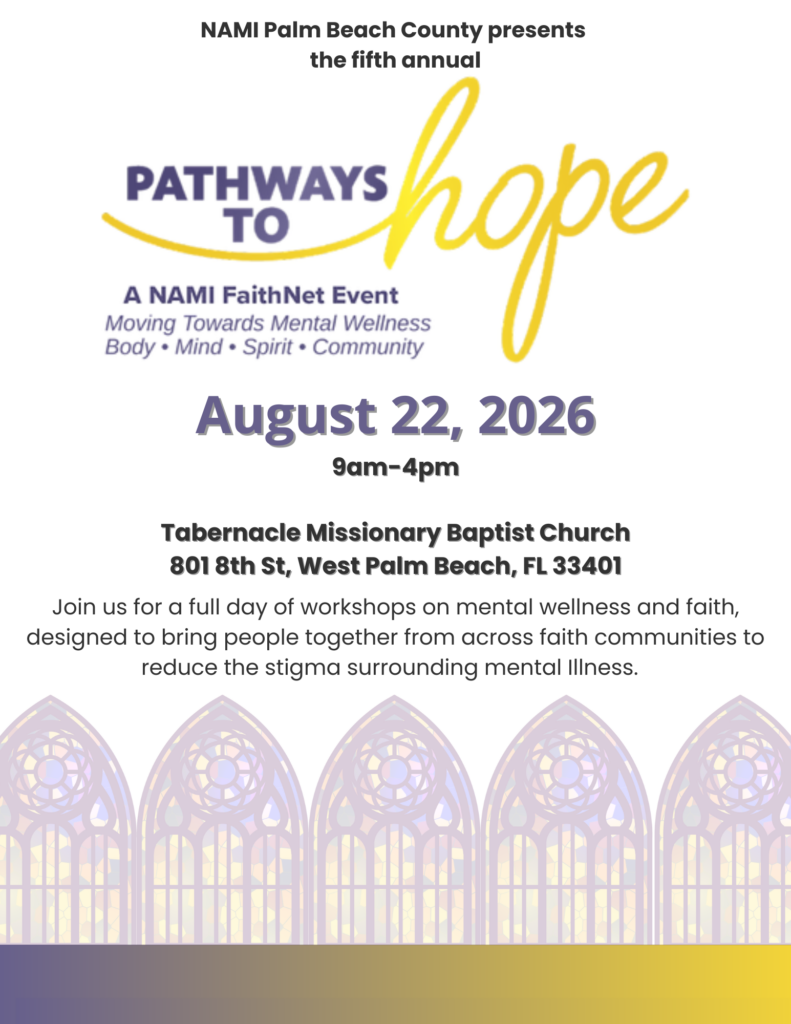
The relationship between spirituality and mental health has been studied extensively, revealing complex and fascinating connections that can inform how we approach emotional wellness.
What the Research Shows
Multiple studies have demonstrated that religious and spiritual practices can have significant positive effects on mental health:
- Reduced rates of depression and anxiety: People who regularly engage in spiritual practices often report lower levels of depression and anxiety symptoms
- Better coping mechanisms: Faith-based coping strategies can provide comfort and meaning during difficult times
- Social support: Religious communities often provide strong social networks that combat isolation
- Sense of purpose: Spiritual beliefs can offer a framework for understanding life’s challenges and finding meaning in suffering
- Hope and optimism: Faith traditions often emphasize hope, forgiveness, and redemption, which can support resilience
The Protective Factors of Faith
Research has identified several ways that spirituality can protect mental health:
Prayer and Meditation: These practices activate the body’s relaxation response, reducing stress hormones and promoting emotional regulation. Studies show that regular prayer or meditation can literally change brain structure in ways that support mental health.
Community Connection: Religious communities provide built-in support systems, reducing isolation and offering practical help during crises. The sense of belonging that comes from shared beliefs and practices is a powerful protective factor.
Meaning-Making: Spiritual frameworks help people make sense of suffering and find purpose in difficult experiences. This ability to find meaning in adversity is strongly linked to resilience and recovery.
Moral Framework: Religious teachings often provide clear guidelines for behavior and decision-making, which can reduce anxiety and support healthy choices.
When Faith and Mental Health Conflict
While spirituality can be incredibly supportive, certain religious experiences can also contribute to mental health challenges:
- Religious trauma: Experiences of spiritual abuse, extreme guilt, or fear-based teachings can create lasting psychological wounds
- Shame and judgment: Some religious environments may stigmatize mental health struggles, leading to increased shame and isolation
- Conflicting worldviews: When scientific understanding of mental health conflicts with religious teachings, people may feel torn between faith and treatment
The Both/And Approach
Modern research supports what many people instinctively know: faith and professional mental health support are not mutually exclusive. In fact, they often work together synergistically:
- Therapy can help people work through religious trauma while preserving positive aspects of their faith
- Spiritual practices can enhance the effectiveness of traditional therapy
- Many therapeutic approaches incorporate mindfulness and meaning-making, which align naturally with spiritual practices
- Faith communities can provide ongoing support that complements professional treatment
Cultural Considerations
It’s important to note that the relationship between faith and mental health varies significantly across cultures and religious traditions. What works in one community may not translate directly to another. Research increasingly emphasizes the importance of culturally adapted treatments that honor people’s spiritual beliefs while providing effective care.
Integration in Practice
Mental health professionals are increasingly recognizing the importance of spiritual assessment and integration. This doesn’t mean imposing religious beliefs, but rather understanding how a person’s faith impacts their mental health experience and incorporating spiritual resources when appropriate and desired.
The Bottom Line
Research consistently shows that for many people, spirituality is a significant factor in mental health and recovery. The key is finding ways to honor and utilize spiritual resources while also accessing professional support when needed. This integrated approach recognizes the full complexity of human experience and can lead to more effective, holistic healing.